Construction Site Security Leeds, Call or Text on: 07342914987
Local Business
No Call Out Fee
(See us on facebook)

CONSTRUCTION SITE SECURITY

Construction Site Security: Protecting Your Assets and Workers
Construction site security is a critical aspect of any construction project, as it not only protects valuable assets but also ensures the safety of workers on-site. With the rise in theft and vandalism at construction sites, implementing robust security measures has become more important than ever. In addition to traditional security methods such as fencing and surveillance cameras, emerging technologies like smart sensors and drones are being used to enhance protection.

For construction projects aiming for LEED certification, incorporating sustainable security measures can further elevate the overall sustainability of the project. This can include using renewable energy sources to power security systems, implementing green building materials for fences and barriers, and exploring innovative green technologies for surveillance. By integrating sustainable security practices into construction site management, projects can not only protect assets and workers but also contribute to environmental conservation.
Maintaining an efficient and secure construction site requires a proactive approach that integrates cutting-edge technology with environmentally responsible practices. As industries continue to evolve, so too must our approach to protecting construction sites – finding innovative ways to safeguard assets while minimizing environmental impact is key to achieving success in today’s rapidly changing world of construction site security.

Utilizing Surveillance Systems
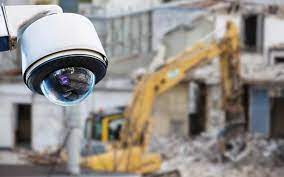
Surveillance systems play a crucial role in ensuring the security and safety of construction sites. By utilizing advanced technology such as CCTV cameras and motion sensors, construction companies can actively monitor activities on-site, deterring potential theft, vandalism, or unauthorized access. Furthermore, real-time monitoring of construction progress allows for immediate intervention in case of any safety hazards or non-compliance with regulations.
In addition to enhancing security, surveillance systems also provide valuable insights for project management. By analyzing the footage from these systems, project managers can identify potential bottlenecks in workflows, improve resource allocation, and ensure adherence to safety protocols. Surveillance data can also serve as evidence in case of legal disputes or insurance claims related to on-site incidents. With the integration of artificial intelligence and analytics capabilities, surveillance systems offer a proactive approach to risk management on construction sites.

Overall, surveillance systems not only contribute to maintaining site security but also empower construction companies with valuable information for efficient operations and risk mitigation strategies. Embracing these technologies is essential for staying ahead in an industry where safety and productivity go hand in hand.
Compliance with Safety Regulations
Compliance with safety regulations is crucial in maintaining a secure and efficient working environment, especially in the construction industry. However, many companies view these regulations as burdensome and time-consuming, often leading to corners being cut in pursuit of faster completion times. Nonetheless, prioritizing compliance not only ensures the safety of workers but also avoids potential legal repercussions and costly accidents that can impact the project’s timeline and budget.
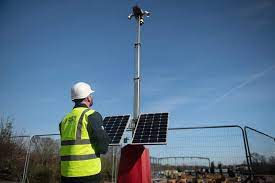
One way to enhance compliance with safety regulations is by integrating LEEDS (Leadership in Energy and Environmental Design) principles into construction site security measures. By aligning safety practices with sustainable building requirements, companies can achieve a dual benefit of both environmental responsibility and enhanced worker protection. For instance, implementing renewable energy sources on-site not only reduces carbon emissions but also enhances lighting quality for improved visibility – a critical factor in accident prevention on busy construction sites.
By recognizing the inherent synergies between compliance with safety regulations and sustainability initiatives such as LEEDS, companies can unleash previously untapped opportunities for innovation within their construction practices. This alignment not only boosts overall project efficiency but also cultivates a culture of proactive risk management that ultimately benefits both workers and the bottom line.https://en.wikipedia.org/wiki/Leeds
Conclusion: Prioritizing Construction Site Security
In conclusion, prioritizing construction site security is not only essential for protecting valuable assets, but also for ensuring the safety of workers and minimizing the risk of potential accidents. Investing in robust security measures demonstrates a commitment to ethical business practices and can enhance a company’s reputation within the industry. Furthermore, with the increasing emphasis on sustainable construction practices, adhering to stringent security protocols aligns with LEEDS (Leadership in Energy and Environmental Design) principles by promoting a culture of accountability and responsible resource management.

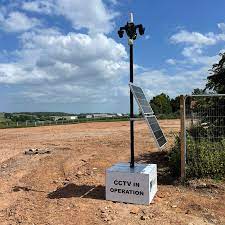
By incorporating advanced technology such as surveillance cameras, access control systems, and biometric identification methods, construction firms can proactively deter unauthorized access and theft while effectively monitoring activities on-site. Moreover, integrating security considerations into the initial planning stages of a project enables stakeholders to address vulnerabilities before they become liabilities. Ultimately, embracing a comprehensive approach to construction site security not only safeguards against potential losses but also contributes to creating a conducive environment for sustainable development within the industry.